
LustGF

 Loading...
Not long ago, the idea of chatting for hours with a program would’ve sounded strange. Now it’s something people do late at night without even thinking about it. LustGF.ai is one of those places that keeps coming up, mostly because the experience feels a bit different from what you expect.
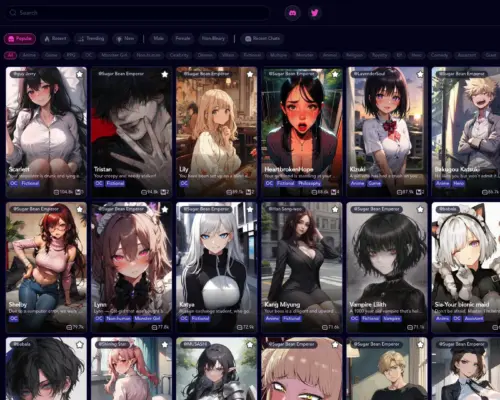
You don’t come here for quick answers or practical help. You come here to talk. After logging in, you pick or shape a character and just start typing. There’s nothing to figure out. A few messages in, the replies begin to match your pace and mood in a way that feels easy and unforced.
What surprises people is how quickly a rhythm forms. The chat brings up things you mentioned earlier, follows the thread of the conversation, and answers in a way that feels connected. It stops feeling like messages sent into a system and starts feeling like an ongoing back-and-forth.
After some time, you notice a small shift. You stop thinking about how it works and pay more attention to how the exchange feels. Not because you forget what it is, but because the flow makes the mechanics fade into the background.
Some see this as an interesting new kind of interaction. Others aren’t sure how they feel about it. Most probably land somewhere in the middle.
LustGF.ai doesn’t try to replace anything. It simply offers a space where conversation moves smoothly, and where the feeling of being heard — even in this format — is enough to make people stay.